watch · distill · act

10 Lessons to Grow More Food at Home

Master multi-season gardening, pest control, and smart variety selection to dramatically increase your backyard harvest.

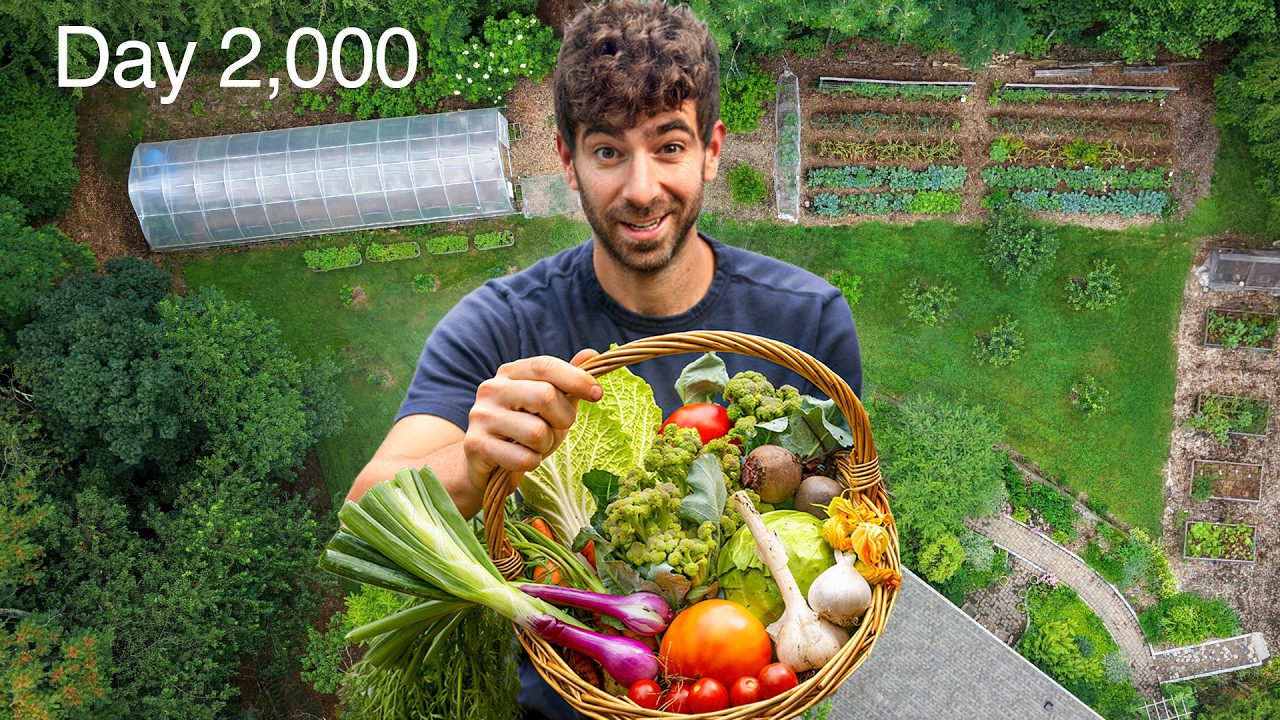
Based on: I Spent 5 Years Building a Backyard to Feed My Family by LifebyMikeG

I Spent 5 Years Building a Backyard to Feed My Family

Why You Need This Checklist

What if the reason your garden isn't producing as much food as you hoped has nothing to do with your soil, your tools, or even your climate — but simply with how you're thinking about the growing season itself?

Most home gardeners unknowingly leave half their harvest on the table every single year. They plant in May, harvest in August, and call it done. Sound familiar? Meanwhile, the plants that could have fed your family through spring and into fall are sitting as untapped potential in a seed catalog you've probably already flipped through. And when pest pressure or a rogue squirrel wipes out a crop you worked months on, it stings in a way that makes you question whether this whole thing is even worth it.

Here's what's possible instead: a backyard that produces thousands of pounds of fresh food year after year, across multiple seasons, with dramatically less frustration, smarter crop choices, and a pest management system that actually works. Imagine walking outside in early spring, midsummer, and late fall and always having something ready to harvest. Imagine knowing exactly which varieties thrive in your conditions and which ones to skip entirely — before you waste a season finding out the hard way.

That's exactly the journey Mike G of LifebyMikeG has lived. He spent five years transforming a plain patch of grass into a thriving backyard ecosystem — and he made nearly every mistake in the book along the way so you don't have to. From interplanting techniques that maximize every square foot of bed space, to choosing disease-resistant fruit tree varieties that actually produce fruit, to building pollinator diversity that makes the whole garden healthier, Mike's hard-won lessons are genuinely game-changing for anyone serious about growing their own food.

This checklist distills all 10 of those lessons into clear, actionable steps you can start applying this season. You'll know exactly when to plant cool-weather crops, how to layer interplanting so your beds are never bare, which low-effort high-reward crops to prioritize, how to set up insect netting correctly, and how to choose fruit trees that won't cost you years of frustration. Every step is grounded in real experience, not theory.

Stop guessing. Start growing. This checklist is your shortcut to everything Mike learned the hard way over five years.

What's Inside — Preview

Every checklist item comes with actionable notes to guide you — things like "Don't forget to do this before you start," "Avoid this common mistake," or "Set a reminder for 30 days out." Nothing vague, just clear next steps.

LEARN Shift your mindset: treat gardening as a multi-season activity, not just a summer event
PLAN Identify and schedule your cool-weather crop planting window based on your last frost date
DO Start cool-weather crops (spinach, carrots, beets, broccoli, cauliflower, cabbage, garlic, onions) as early as your last frost date allows
LEARN Learn the interplanting technique and begin applying it to your current beds
DO Interplant summer crops (tomatoes, peppers, eggplant, cucumbers, beans, tomatillos) into your spring beds before spring harvest is complete

+ 25 more action items inside...
Get the Full Checklist

Instant PDF download. Start taking action today.

$3.99 one-time
Get Instant Access →

✓ Instant download  ·  ✓ PDF format  ·  ✓ No subscription