11 Engine Bay Sprays to Never Use Again
Protect your sensors, belts, and engine from costly spray damage with this quick‑reference guide.
Based on: Never Use These Sprays In Your Car's Engine Bay by Piston Post
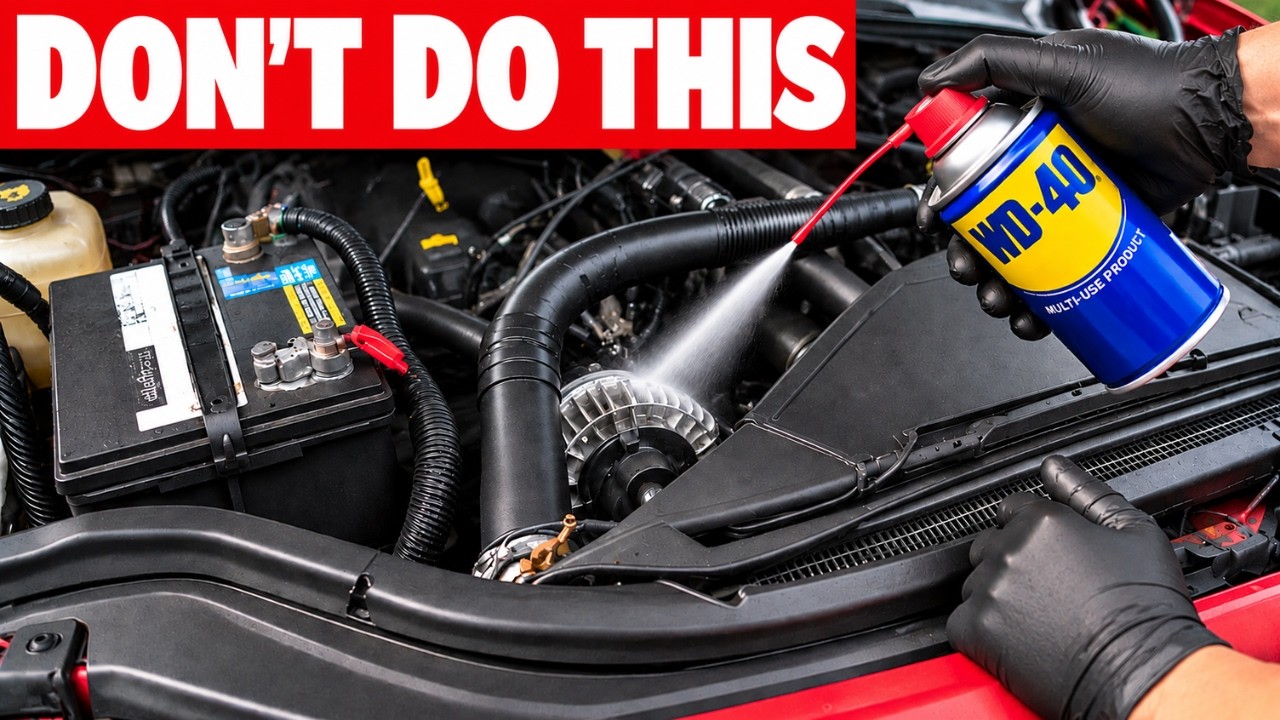 ▶ Watch the source video on YouTube
Protect your sensors, belts, and engine from costly spray damage with this quick‑reference guide.
Based on: Never Use These Sprays In Your Car's Engine Bay by Piston Post
▶ Watch the source video on YouTube
What if the spray sitting in your garage right now is slowly destroying your engine — and you have no idea? That's not a scare tactic. That's the reality for more than 70% of drivers who reach for a familiar can during a weekend cleanup and end up chasing mysterious repair bills for months afterward. The worst part? The damage is invisible at first. By the time a check engine light appears or a belt squeals or a sensor fails, the spray that caused it is long gone from your memory.
Here's what makes this so frustrating: most of these products are things you already own. WD-40 sitting in your kitchen drawer. Windex under the sink. Lysol left over from the last few years. Febreze on the shelf. None of them come with a warning that says 'do not spray near your oxygen sensor' or 'this will crack your coolant hoses over time.' So you spray them, things look cleaner, and you feel good — right up until a $300 sensor replacement or a $2,500 catalytic converter bill lands in your lap.
Now picture this instead: you open your hood with total confidence, knowing exactly which products belong there and which ones to put back on the shelf. No guessing, no second-guessing, no mystery repairs. Just clean, informed decisions that protect your engine and your wallet every single time you do any maintenance at home.
That's exactly what the team at Piston Post built this checklist to deliver. Their channel exists for one reason — to keep dealers and quick-lube shops from picking your pocket — and this resource is a direct extension of that mission. Every item on this list comes from real shop experience with real cars. The specific products, the exact damage they cause, the repair costs they trigger, and the safe alternatives that actually work are all laid out step by step so you never have to guess again.
This PDF checklist covers all 11 sprays flagged in the video, with targeted notes on what each product does wrong, what it costs you when it goes sideways, and the simple fix for each situation. Whether you're a weekend DIYer or someone who just likes to keep their engine bay clean, this checklist gives you the knowledge to do it without accidentally lighting an expensive fuse under your hood. Grab it once, keep it in your garage, and use it every time you open that hood.
Every checklist item comes with actionable notes to guide you — things like "Don't forget to do this before you start," "Avoid this common mistake," or "Set a reminder for 30 days out." Nothing vague, just clear next steps.
+ 19 more action items inside...
Instant PDF download. Start taking action today.
✓ Instant download · ✓ PDF format · ✓ No subscription