Why You Need This Checklist
What if the compost you've been making for years is quietly robbing your soil of the one thing it needs most — carbon? Most gardeners assume their compost pile is doing its job. You layer in your greens and browns, wait a few months, and spread it on your beds. Job done, right? But here's what almost no one measures: how much volume, carbon, and fertility you actually lose in the process. That gap between what goes in and what comes out could be the reason your soil never quite performs the way you expect it to.
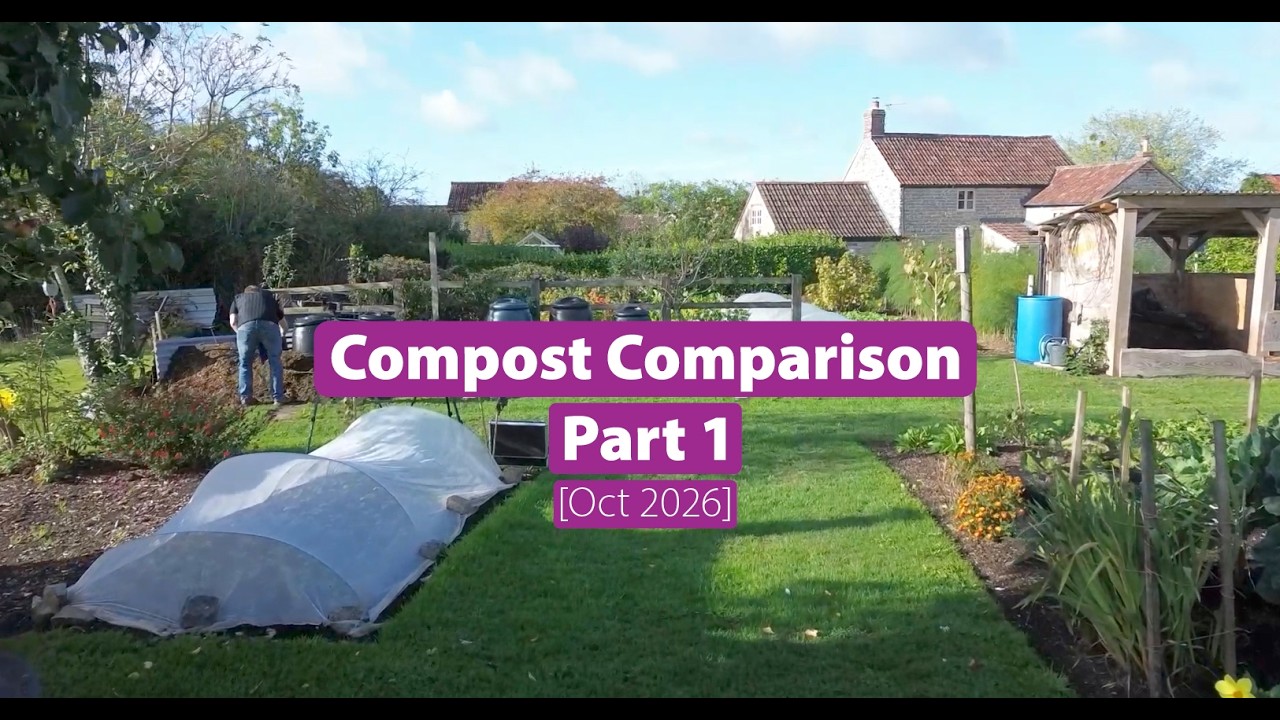
Charles Dowding, one of the most respected voices in no-dig gardening, recently sat down with a composting expert to run a genuinely transparent, unscripted science trial — three different composting methods, same materials, same beds, same timeframe. No predetermined winner. Just honest observation. They're testing a classic green-and-brown heap with bokashi food waste layered in, a heap treated with Actiferm microbial inoculant, and Charles's standard tried-and-tested dalek method. And they're measuring everything: weight in, weight out, temperature, pH, moisture content, and eventually the nutrient value of the vegetables grown in each.
Imagine knowing — not guessing — which method gives you the densest, most fertile compost with the least loss. Imagine watching your lettuce beds thrive and being able to point to exactly why. That's what this trial is designed to reveal, and this checklist puts you in the driver's seat to run the same experiment yourself, or simply to build any one of these three methods properly from the start.
Charles has been refining his composting approach for decades, and his compost has tested exceptionally well for quality and fertility. The insights in this video — from moisture testing at 65%, to chopping materials with a lawnmower rather than a shredder, to layering bokashi food waste in 10 cm increments — are hard-won and immediately practical.
This PDF checklist walks you through every step of Stage 1: preparing your three bays, sourcing and chopping your greens and browns, understanding the ratios, setting up each method correctly, taking your baseline measurements, and knowing exactly what to track over the coming weeks. Use it to follow along with Charles's trial, or to finally bring structure and measurement to your own compost heap. Stop guessing and start composting with intention.
What's Inside — Preview
Every checklist item comes with actionable notes to guide you — things like "Don't forget to do this before you start," "Avoid this common mistake," or "Set a reminder for 30 days out." Nothing vague, just clear next steps.
BUILD
Set up three separate composting bays with open bottoms for ground contact
DO
Collect and sort your green waste materials (aim for roughly 65–75% of total volume)
DO
Collect and sort your brown waste materials (aim for roughly 25–35% of total volume)
DO
Chop all green and brown waste materials as finely as possible before adding to any bay
MEASURE
Test and record the moisture content of your chopped green waste before filling any bay
+ 15 more action items inside...
 ▶ Watch the source video on YouTube