5 Physical Tools to Thrive in the AI Era
Build focus, clarity, and real‑world productivity using the tools Ryder Carroll swears by.
Based on: The New Standard Items to Survive the AI‑Era by Bullet Journal
 ▶ Watch the source video on YouTube
Build focus, clarity, and real‑world productivity using the tools Ryder Carroll swears by.
Based on: The New Standard Items to Survive the AI‑Era by Bullet Journal
▶ Watch the source video on YouTube
What if the tools that will save your focus, sanity, and productivity in the AI era are not apps, not software, not subscriptions — but the same physical objects humans have used for centuries? That might sound counterintuitive, but stick with you for a second, because what Ryder Carroll — the inventor of the Bullet Journal method — shares in this video might completely change how you think about your daily setup.
Here's the problem. AI promises to do more for you, faster. And it delivers — but for many people, including Ryder himself, it's also creating more stress, more noise, and a creeping sense that the work you're doing doesn't actually mean anything. You're producing more, thinking less, and somehow feeling more behind than ever. If you've ever closed your laptop at the end of a full day and wondered what you actually accomplished, you already know exactly what that feels like.
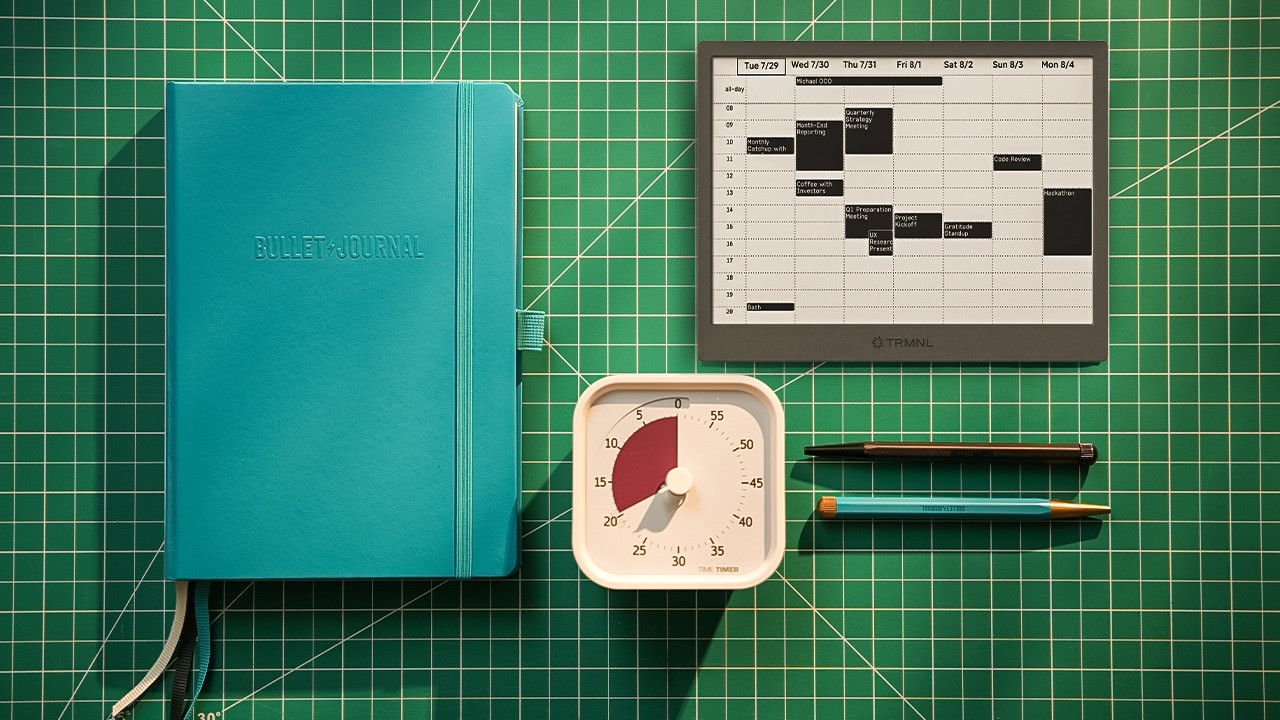
Now picture this instead. You sit down at your desk. A physical calendar on the wall tells you what matters this month. A visual timer counts down your focus window — no pings, no tabs, no temptation. A pocket notebook captures every stray thought so nothing escapes and nothing derails you. A pen that disappears in your hand lets your thinking flow without friction. And a physical book builds the cognitive endurance that AI quietly erodes every single day. That's not nostalgia. That's a high-performance system.
Ryder Carroll has spent years refining this approach. As the creator of the Bullet Journal method — one of the most widely adopted analog productivity systems in the world — he brings real-world experimentation, not theory. He tested digital calendars versus physical ones for three years. He's reviewed multiple e-readers and landed on the cheapest Kindle for good reason. He's used incense as a timer. He's rebuilt his handwriting practice after injuring his hand. These are hard-won, practical insights from someone who genuinely lives this system.
This checklist distills every actionable step from Ryder's video into a clean, printable PDF you can follow today. You'll know exactly which type of calendar to set up, how to configure your physical timer system, what notebook to start with, what to look for in a pen, and how to choose a book format that actually trains your brain. No fluff, no filler — just the real steps, in order, with the specific products and tips Ryder mentions. Print it out, check it off, and build the analog foundation that makes your best thinking possible.
Every checklist item comes with actionable notes to guide you — things like "Don't forget to do this before you start," "Avoid this common mistake," or "Set a reminder for 30 days out." Nothing vague, just clear next steps.
+ 12 more action items inside...
Instant PDF download. Start taking action today.
✓ Instant download · ✓ PDF format · ✓ No subscription