Why You Need This Checklist
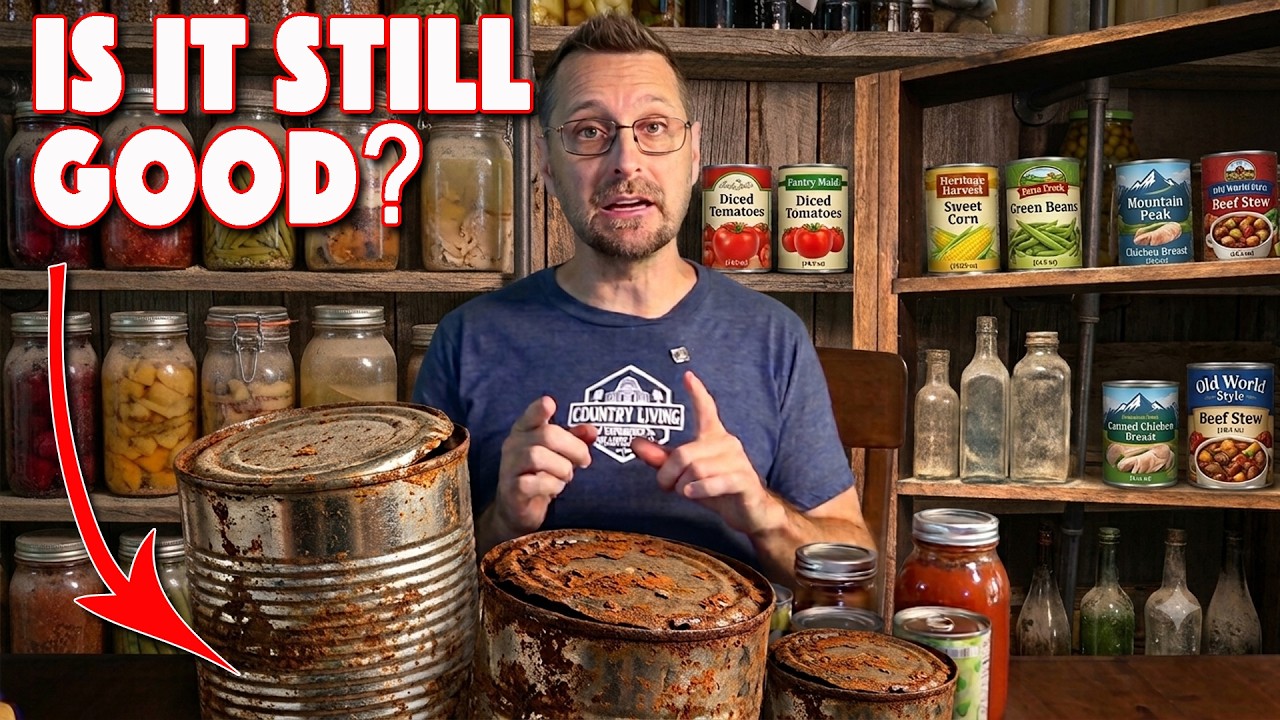
What if the cans sitting quietly on your pantry shelf right now are actively working against you? Not in a paranoid way — in a very real, very fixable way that most preppers and homesteaders never think to check until it is too late. If you have ever found a bulging, leaking, or corroded can and wondered whether the food inside was still safe, you already know the anxiety that comes with not having a clear system. And if you have never found one yet, that does not mean it has not happened — it means you might not be checking the right things in the right order.
Here is the problem nobody talks about loudly enough: expiration dates on cans are not regulated by the FDA. They are voluntarily placed by manufacturers and refer only to peak flavor and texture, not safety. That means the date stamped on your can of peaches tells you almost nothing about whether that can is actually safe to open. Meanwhile, four very specific failure modes — improper sealing, interior liner damage, food-to-metal reaction producing hydrogen gas, and improper storage temperature — can silently ruin your food stores and introduce botulism risk. About 200 to 250 people in the United States get botulism every year. That number stays low because most people throw away the obvious culprits. But are you checking your shelves consistently enough to catch the ones that are not so obvious?
Imagine opening your pantry with total confidence. You know exactly what to look for, what to throw away without hesitation, how to store everything at the right temperature, and how to build a preservation system that retains 96 to 98 percent of nutrients, weighs almost nothing, and is virtually immune to the botulism risk that plagues canned goods. That is not a fantasy — that is what a solid food safety routine looks like.
The homesteader behind Country Living Experience has been managing food stores through multiple preservation methods for years, has experienced canned food failures firsthand with store-bought goods from the same production lot, and has built a working freeze drying practice that dramatically reduces food waste while extending shelf life far beyond what any can offers. This is hard-won, practical knowledge from someone who lives this lifestyle daily.
This checklist puts every actionable step from that video into a clean, printable PDF you can take straight to your pantry. Check your cans properly, understand the four causes of can failure, know exactly which food types are highest risk, and evaluate whether freeze drying belongs in your preservation toolkit. Do not wait until you find a leaking can to get organized. Start today.
What's Inside — Preview
Every checklist item comes with actionable notes to guide you — things like "Don't forget to do this before you start," "Avoid this common mistake," or "Set a reminder for 30 days out." Nothing vague, just clear next steps.
CHECK
Conduct a full visual inspection of every can in your food storage — right now, not later
AVOID
Immediately discard any can that is bulging, leaking, or corroded — do not taste-test it first
LEARN
Stop relying on printed expiration dates as your primary safety indicator for canned goods
LEARN
Learn the four specific causes of canned food failure so you can prevent them in your own storage
MEASURE
Check your storage area temperature and relocate cans if it regularly exceeds 75 degrees Fahrenheit
+ 10 more action items inside...
 ▶ Watch the source video on YouTube