Why You Need This Checklist
What if the money-saving raised bed trick you keep hearing about is actually sabotaging your harvests — and you'd never even know it until it's too late? If you've ever considered throwing logs into the bottom of a tall raised bed to cut your soil costs, you need to read this first.
Here's the frustrating reality: filling a single 30-inch tall, 4x8 foot raised bed with premium soil can cost anywhere from $400 to $1,000. So when gardeners hear about the log-filling hack — sometimes called hugelkultur — they jump at it. But most people do it wrong. They grab the wrong species of wood (hello, black walnut — a plant killer), skip the hardware cloth, ignore the nitrogen lockout problem, and then wonder why their tomatoes look sad and their soil has dropped six inches by midsummer. The air pockets, the anaerobic rot, the moles tunneling up from below — it's a mess that's nearly impossible to fix once the bed is already built.
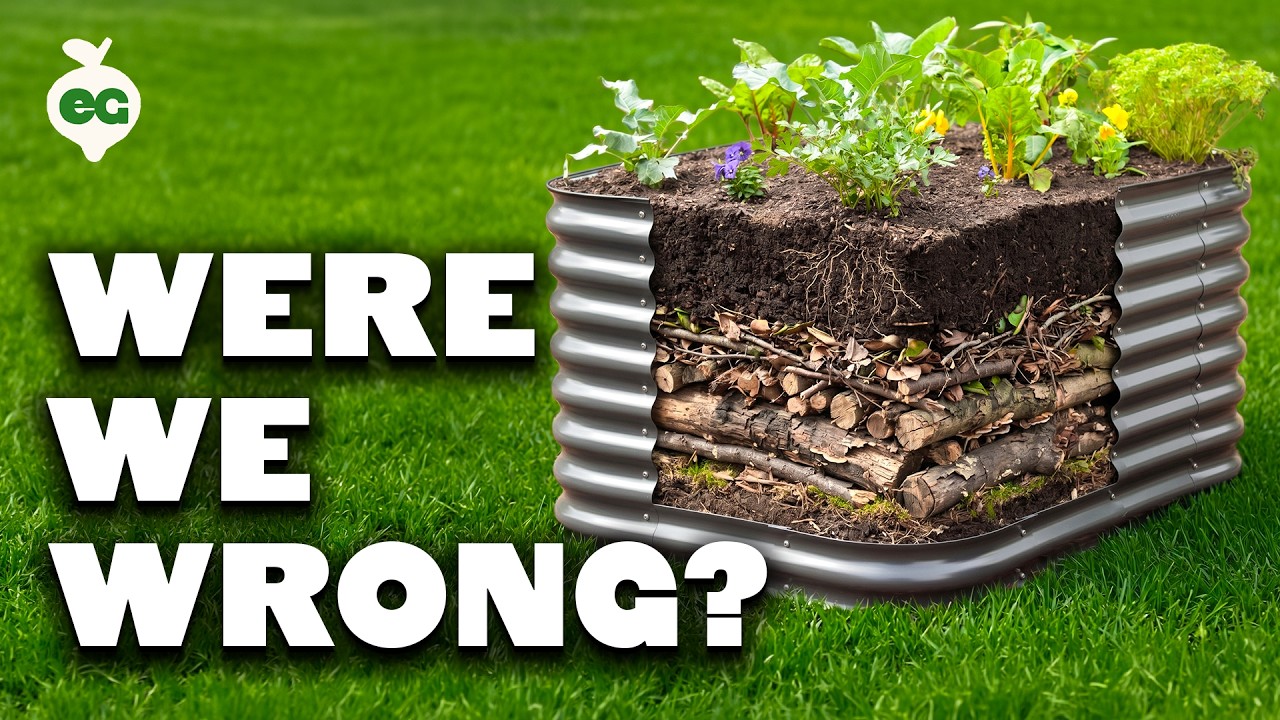
Imagine instead opening your garden beds this season knowing every layer was placed intentionally. Your logs are the right species, packed in tight like a puzzle to minimize settling. A dusting of organic fertilizer buffers the nitrogen that the decomposing wood would otherwise steal from your plants. Yard waste and food scraps fill the gaps. A premium soil mix crowns the top eight inches where your plant roots actually feed. Your bed is protected from digging pests by stainless steel hardware cloth. You've overfilled it slightly because you know it'll settle. And you've saved hundreds of dollars in the process. That's what this method, done right, actually looks like.
Kevin from Epic Gardening has been doing this for years across 15-plus raised beds on his homestead. He and his team even dug up the beds afterward to see what was happening underground — so the advice in this checklist is based on real observation, not just theory. Kevin breaks down every problem with the popular method and gives you the exact updated technique his team now uses to solve all of them.
This PDF checklist translates that entire video into a clear, printable action plan you can take straight to your garden. Every step is here: which wood species to use and which to never touch, where to source logs for free, how to layer your bed for maximum stability, which fertilizer moves to make at each layer, and how to finish the top for the best possible growing environment. Stop guessing and start building beds that actually perform.
What's Inside — Preview
Every checklist item comes with actionable notes to guide you — things like "Don't forget to do this before you start," "Avoid this common mistake," or "Set a reminder for 30 days out." Nothing vague, just clear next steps.
DECIDE
Decide whether your raised bed is tall enough to justify the log-filling method
AVOID
Identify and avoid wood species that are harmful when buried in a raised bed
RESEARCH
Choose an approved wood species for the fill layer
RESEARCH
Source logs for free or low cost from local arborists or hardwood shops
BUILD
Cut and lay down quarter-inch hardware cloth across the full base of the raised bed before adding any fill
+ 13 more action items inside...
 ▶ Watch the source video on YouTube