Why You Need This Checklist
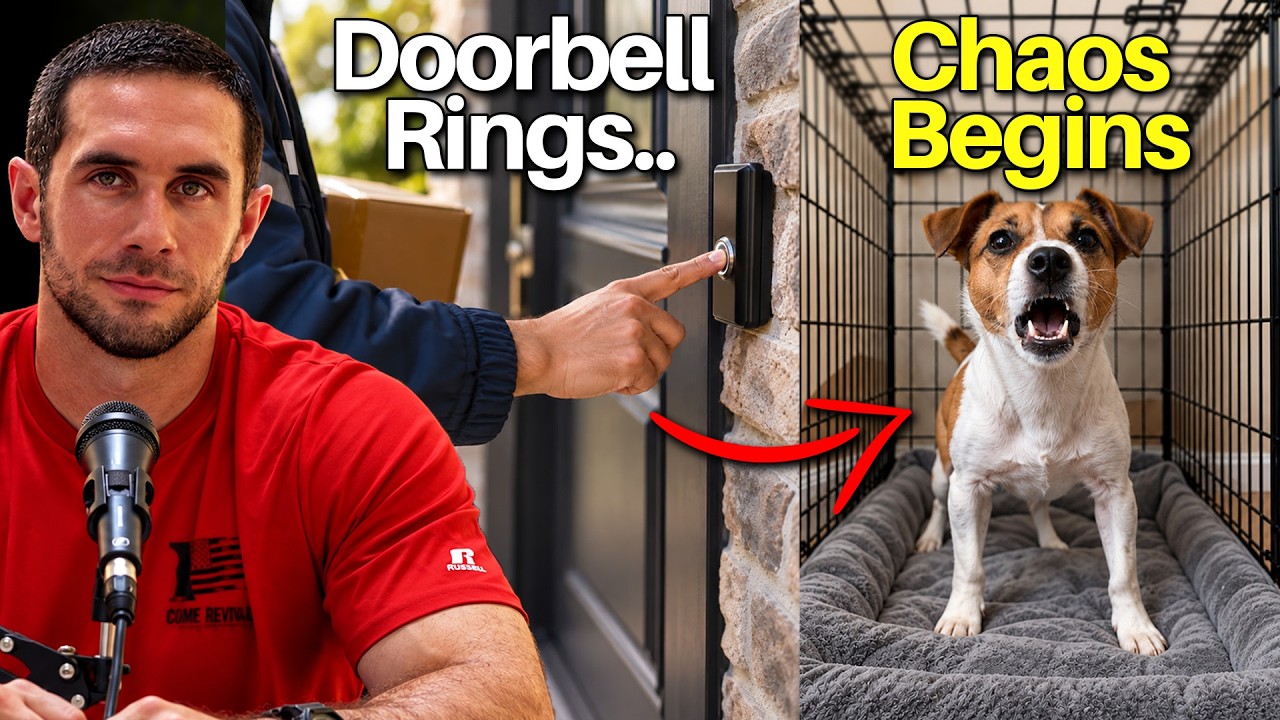
Does your dog ace place command during calm moments — then completely lose it the second the doorbell rings or you leave the room? You are not alone, and the fix is closer than you think.
Here is what makes this so frustrating: your dog clearly understands the command. They hold place beautifully when life is boring. But the moment something exciting happens — a visitor at the door, you stepping into the kitchen, a noise outside — they are off the cot and the whole session falls apart. You correct, they comply briefly, and the cycle repeats. It starts to feel like you are training the same thing over and over with no real progress.
Imagine instead walking out the front door to grab the mail and coming back inside to find your dog still calmly settled on their cot, exactly where you left them. Picture the doorbell ringing and your dog staying down without a single bark, relaxed and responsive while you handle the door. Picture crate time being genuinely peaceful — no protest barking, no whining, no anxious panting. That is not a dream scenario. It is a realistic outcome when you know exactly what steps to follow and in what order.
Canine Revolution Dog Training has helped hundreds of dog owners work through these exact sticking points. Their 12-step training progression is built around real-world scenarios, and the strategies shared on the Pack Talk podcast are grounded in what actually works in homes just like yours — not just in controlled training environments. The guidance in this checklist comes directly from their expert breakdown of the most common place and crate problems owners face after completing structured training.
This checklist walks you through every actionable step: how to use your e-collar correctly when your dog breaks place during high-arousal moments, how to build duration away from your dog room by room, how to distinguish protest barking from a potty signal, how to correct whining without creating a negative crate association, and how to counter-condition crate anxiety using exercise and positive reinforcement. Every step is clear, sequenced, and ready to use today. Download it, print it, and finally get the consistent, calm behavior you have been working toward.
What's Inside — Preview
Every checklist item comes with actionable notes to guide you — things like "Don't forget to do this before you start," "Avoid this common mistake," or "Set a reminder for 30 days out." Nothing vague, just clear next steps.
LEARN
Understand the place command definition before troubleshooting any problem
CHECK
Set your e-collar to your dog's established baseline level before any training session
DO
When your dog breaks place after the doorbell rings, immediately say 'no' and deliver one e-collar bump
DO
If your dog does not return to place after the first correction, increase the e-collar level and repeat the 'no' plus bump sequence
DO
If your dog stays on place but sits up and barks when the doorbell rings, apply the same 'no' plus bump correction
+ 22 more action items inside...
 ▶ Watch the source video on YouTube