Why You Need This Checklist
Your temperature gauge is climbing, your coolant is full, and you have absolutely no idea what is actually wrong — sound familiar? Most drivers assume a full coolant reservoir means the cooling system is fine, but that assumption can lead you straight to a $6,000 repair bill you never saw coming. The truth is, overheating with full coolant is one of the most misdiagnosed problems in home auto repair, and skipping even one diagnostic step means you could replace the wrong part and still be stranded on the side of the road.
Imagine watching your gauge creep into the red at a stoplight, wondering if this is the moment your engine is done for good. You have already tried the obvious stuff — maybe you even replaced the thermostat like the previous owner of the van in Budget Mechanic's video did — and the problem just keeps getting worse. Every drive feels like a gamble. And the worst part? A blown head gasket or a failed water pump does not announce itself clearly. It hides behind intermittent symptoms, normal-looking coolant levels, and near-silent bearing noise that only shows up when you know exactly where to listen.
Now picture this instead: you pop the hood with a logical, proven process in hand. You check the radiator cap, pressure-test for leaks, confirm your cooling fans are firing, test for combustion gases in the coolant, and narrow the problem down to the exact component causing your overheating — all before spending a single dollar at a shop. That is the feeling of being in control of your own vehicle, and it is completely within reach.
Budget Mechanic walked through every one of these diagnostic steps on a real 2007 Toyota Sienna with a real overheating problem, using tools you can borrow for free from most auto parts stores. His hands-on, systematic approach ultimately pointed to a failing water pump with a disintegrating internal impeller — a known issue on the 3.5L engine that passes every external check but quietly stops moving coolant. That kind of specific, experience-backed knowledge is exactly what this checklist captures.
This PDF checklist turns that full diagnostic walkthrough into a clear, step-by-step action guide you can hold in your hand in the driveway. Every tool, every test, every warning sign is spelled out so you can work through the diagnosis yourself, in order, and actually fix the problem instead of guessing. Grab it now and know exactly what to check next.
What's Inside — Preview
Every checklist item comes with actionable notes to guide you — things like "Don't forget to do this before you start," "Avoid this common mistake," or "Set a reminder for 30 days out." Nothing vague, just clear next steps.
CHECK
Visually inspect the coolant level at the radiator neck (not just the overflow tank)
CHECK
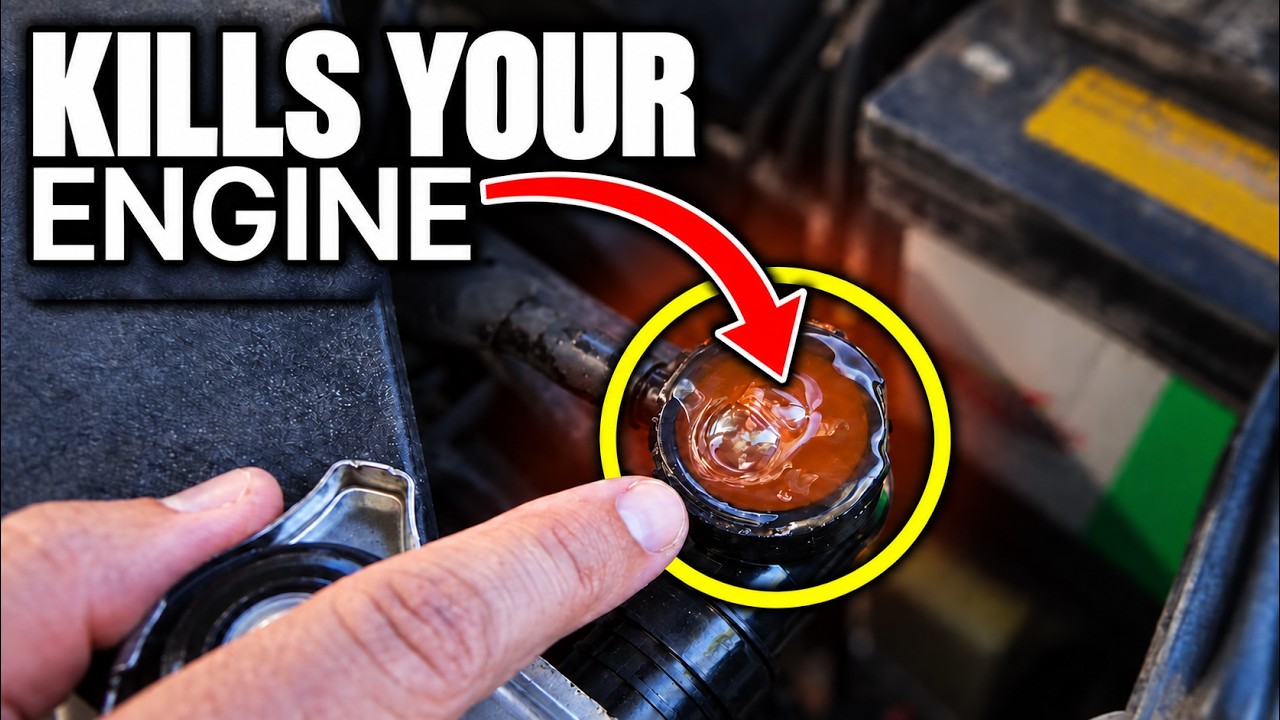
Inspect the radiator cap rubber seals for wear, cracks, or deterioration
BUY
Borrow a cooling system pressure test kit from an auto parts store tool loaner program
DO
Select the correct radiator cap adapter from the kit and attach the pressure tester to the radiator neck
CHECK
Pump the pressure tester to simulate system pressure and listen for leaks
+ 15 more action items inside...
 ▶ Watch the source video on YouTube