Why You Need This Checklist
Have you ever wondered why your check engine light came on after getting your car oil-sprayed for rust protection? You did everything right — you invested in undercoating, you protected your vehicle from the salt belt rot — and now you have a mysterious EVAP code staring back at you from the dash. Sound familiar? You are not alone, and the answer is hiding under your car right now.
Here is what most shops will not tell you: oil sprays like Fluid Film, Crown, Rust Check, and Surface Shield — as good as they are for fighting rust — have a documented pattern of skewing fuel tank pressure sensors. Not killing them outright, not shorting them out, just nudging them just far enough off calibration to trip a performance code. A P0452, a range/performance EVAP code, and suddenly you are staring at a repair bill that seems totally disconnected from the undercoating you had done last fall. The problem is subtle, it is frustrating, and if you do not know what to look for, you will be chasing ghosts for hours.
Imagine instead walking into the shop, seeing that EVAP pressure sensor performance code, and immediately knowing exactly what to check, in what order, and what success looks like on your scan tool data. Imagine verifying the repair with a live voltage reading — watching 2.5 volts appear right where Ford says atmospheric pressure should be — and closing the canister vent valve to confirm the tank builds pressure correctly. That is the confidence this checklist gives you.
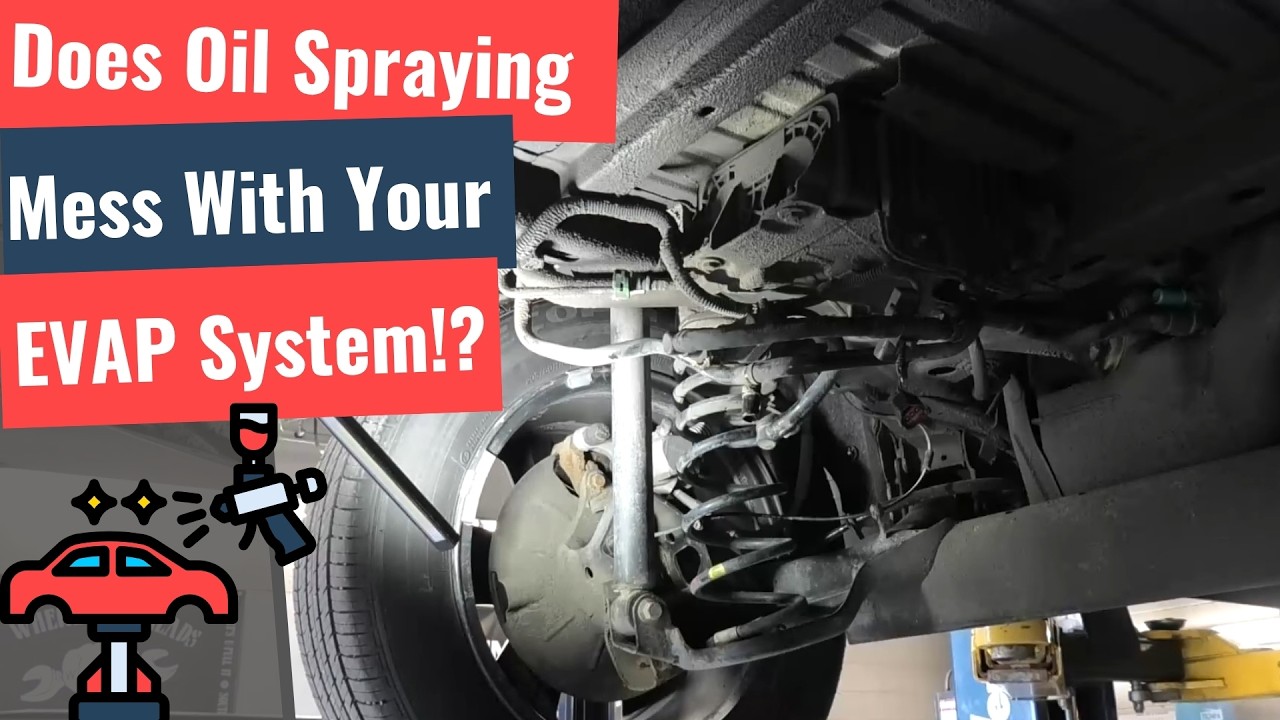
Eric at South Main Auto LLC has been turning wrenches professionally for decades, and he noticed this pattern himself on his own 2016 F-550 — oil-sprayed for years, then a fuel tank pressure sensor that drifted just enough to light up the dash. He pressure-washed the sensor assembly on his own truck and the light went out. He has seen this same failure pattern on Fords, GM trucks, and Chryslers across his customer base. When a mechanic of his caliber says he keeps seeing the same problem on oil-sprayed cars, that is not a coincidence — that is a pattern worth documenting and acting on.
This checklist walks you through every step Eric covers in his diagnostic: reading and interpreting the EVAP performance code, checking live data voltages and inches-of-water readings, identifying the correct sensor assembly for your vehicle, removing the sensor safely on a fluid-filmed car without destroying connectors, installing the new part, and verifying the repair with active tests on your scan tool. Use it as your roadmap the next time this code shows up on any oil-sprayed vehicle in your bay.
What's Inside — Preview
Every checklist item comes with actionable notes to guide you — things like "Don't forget to do this before you start," "Avoid this common mistake," or "Set a reminder for 30 days out." Nothing vague, just clear next steps.
CHECK
Identify whether the vehicle has been oil-sprayed with any undercoating product
CHECK
Scan for diagnostic trouble codes and specifically look for EVAP system range/performance codes
MEASURE
Pull up live data PIDs for EVAP system vapor pressure and fuel tank pressure sensor voltage
LEARN
Confirm atmospheric pressure reference voltage for your specific platform
CHECK
Check whether the canister vent management valve is functioning and in the open position at rest
+ 12 more action items inside...
 ▶ Watch the source video on YouTube