Why You Need This Checklist
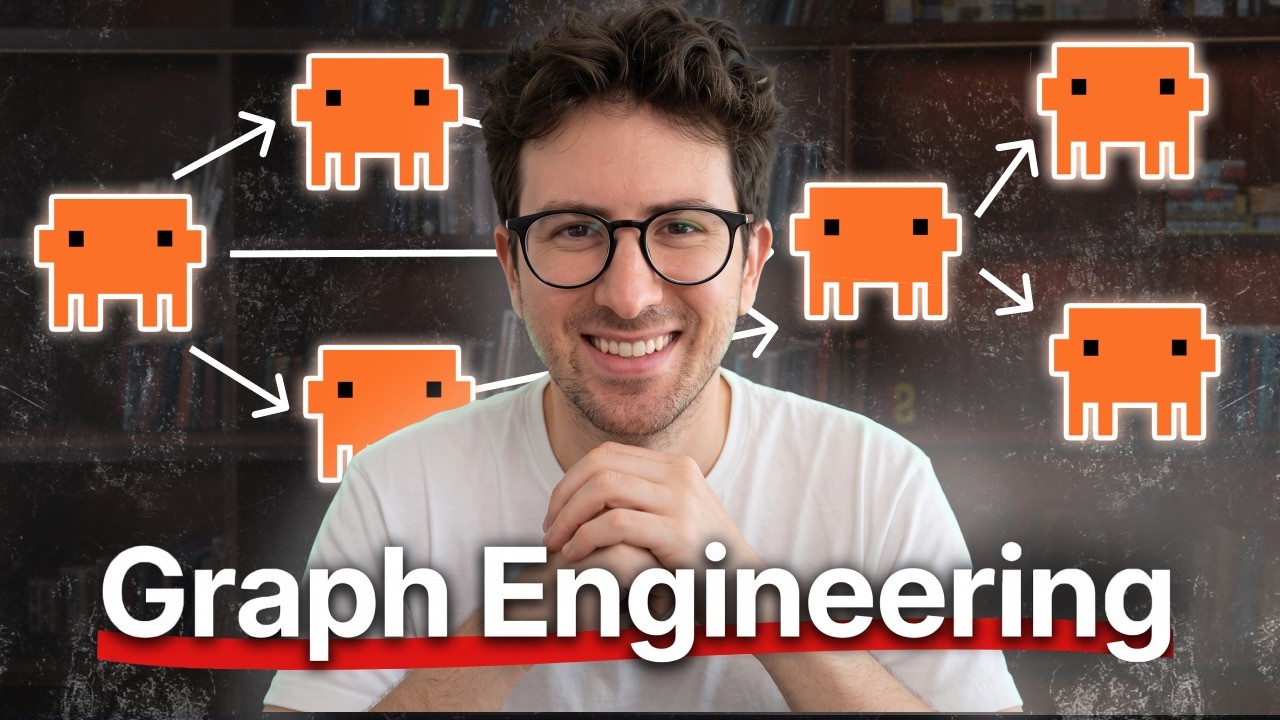
What if the reason your AI outputs feel unreliable has nothing to do with your prompts — and everything to do with your workflow design? That question stopped me cold when I first heard Greg Isenberg break down graph engineering on his Startup Ideas podcast. Most people are running complex, high-stakes AI tasks — startup validation, content creation, customer support, code review — inside a single chat window, trusting one model to research, interpret, recommend, and grade its own work. That's not a research process. That's asking someone to write their own performance review and being shocked when they call themselves a visionary. Sound familiar? Here's what that actually costs you. Bad startup bets made on AI-generated confidence. Content that sounds like it was written by a SaaS onboarding flow. Support tickets answered without proper checks. Code shipped without real review. The problem isn't AI — it's that you're asking AI to do everything in one messy pass instead of designing the work properly around it. Graph engineering fixes that. Imagine having a planner that breaks your question into angles, parallel researchers who each dig into customers, competitors, distribution, and risks simultaneously, a skeptic that attacks the weak findings, a synthesizer that builds a clean one-page recommendation from the surviving evidence, and a human gate before any expensive decision gets made. That's not a fantasy — that's a simple agent graph, and you can start building one manually today without touching LangGraph, AutoGen, or any complex tool. Greg Isenberg has spent years helping founders and creators think more clearly about how to build with AI, and this framework is one of the most practical things he's shared. The insight that really lands: the goal isn't the biggest graph possible — it's the smallest graph that actually improves the quality of your work. This PDF checklist translates every step Greg walks through into a clean, actionable guide you can use right now. You'll know exactly when to use graph engineering, how to draw your first workflow on a blank Excalidraw board, how to structure the manual version before automating anything, which tools to use at beginner, intermediate, and advanced levels, and where to place the human gate so your most expensive decisions stay protected. Stop trusting one AI blob with your most important work. Start managing AI work like a system. This checklist gives you the exact steps to do it.
What's Inside — Preview
Every checklist item comes with actionable notes to guide you — things like "Don't forget to do this before you start," "Avoid this common mistake," or "Set a reminder for 30 days out." Nothing vague, just clear next steps.
DECIDE
Decide if graph engineering applies to your current AI task
LEARN
Understand the two types of graphs so you use the right one
DECIDE
Pick one AI workflow you already run every week to graph first
PLAN
Write the final output of your workflow in one clear sentence
PLAN
List every job a great human would do to produce that output
+ 18 more action items inside...
 ▶ Watch the source video on YouTube