Why You Need This Checklist
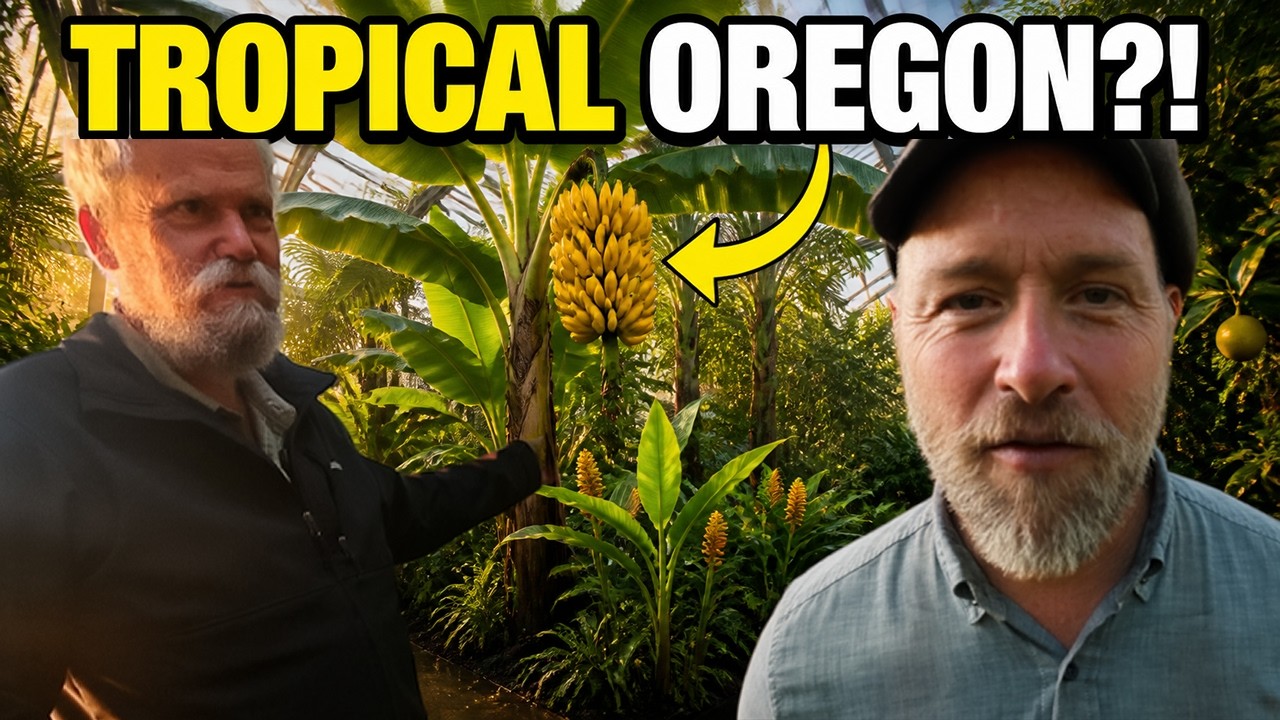
What if you could walk through a door on a freezing Oregon morning and step straight into a lush tropical paradise full of bananas, dragon fruit, star fruit, avocados, and fresh turmeric — all growing just fine while snow sits on the ground outside? Sounds impossible, right? That's exactly what David Stelzer built on Azure Standard's 5,000-acre organic farm, and Justin Rhodes walked you through the whole thing on camera.
Here's the problem most cold-climate growers face: you build a greenhouse with big dreams of fresh winter tomatoes and cucumbers, only to discover that heating costs and hand-labor costs eat every dollar of profit you thought you were making. You end up with a beautiful structure that just doesn't pencil out. Sound familiar? That's exactly the wall David hit first — and the pivot he made next is what changed everything.
Instead of fighting the economics of winter vegetables, David switched to high-value, low-labor tropical crops. Turmeric alone now brings in around $100,000 a year from that single greenhouse, at roughly $15 a pound fresh on the Oregon market. The heating system runs almost entirely on waste materials from the warehouse — broken pallets, cardboard, scrap wood — fuel that would have been thrown away anyway. The result is a near-zero-cost heat source running a year-round tropical microclimate in the high desert.
David's approach works because he combined smart infrastructure choices with the right crops for the system. He's not just a hobbyist with a banana tree — he's running a proven, repeatable model on one of the most respected organic farms in the country. Justin Rhodes, one of the most trusted voices in the homesteading and small-farm world, documented every detail of the tour so you don't have to figure it out from scratch.
This checklist breaks down every actionable step from that video: how to design your greenhouse structure, what crops to prioritize for profit versus pleasure, how to source waste-heat fuel, which soil biology practices keep the growing environment thriving, how to multiply comfrey starts into a side income stream, and exactly what David grows and harvests on what timeline. Whether you have a half-acre backyard in Montana or a small farm in the Pacific Northwest, this checklist gives you a clear, step-by-step path to your own cold-climate tropical growing system. Get started today.
What's Inside — Preview
Every checklist item comes with actionable notes to guide you — things like "Don't forget to do this before you start," "Avoid this common mistake," or "Set a reminder for 30 days out." Nothing vague, just clear next steps.
DECIDE
Decide on your greenhouse's primary purpose before breaking ground — winter vegetables or long-season tropical crops
RESEARCH
Research your latitude and calculate usable winter light hours for your location
BUILD
Install a radiant pipe heating system along the floor and wall perimeter of your greenhouse
BUILD
Set up a waste-material burn system to heat your greenhouse using otherwise-discarded materials
BUY
Install supplemental grow lights for any vegetable crops you plan to run during the darkest winter months
+ 21 more action items inside...
 ▶ Watch the source video on YouTube