Why You Need This Checklist
What happens when your garden produces more food than you ever imagined — and you have no idea what to do with all of it at once? If you've ever stood on your porch surrounded by squash, beans, tomatoes, and cowpeas, feeling simultaneously grateful and completely overwhelmed, you are not alone. The harvest season is one of the most rewarding times of year for a home gardener, but it can also turn chaotic fast if you don't have a clear plan of action.
Here's the hard truth: most of the food people lose during harvest season isn't lost in the garden — it's lost after it comes inside. Beans piled too deep go moldy within two weeks. Squash stored before it's cured turns soft and rots. Cowpeas sealed in jars before they're bone dry become a heartbreaking mess. These aren't beginner mistakes — they're the kind of costly errors that even experienced homesteaders make when they're juggling twelve things at once and don't have a reliable system to follow.
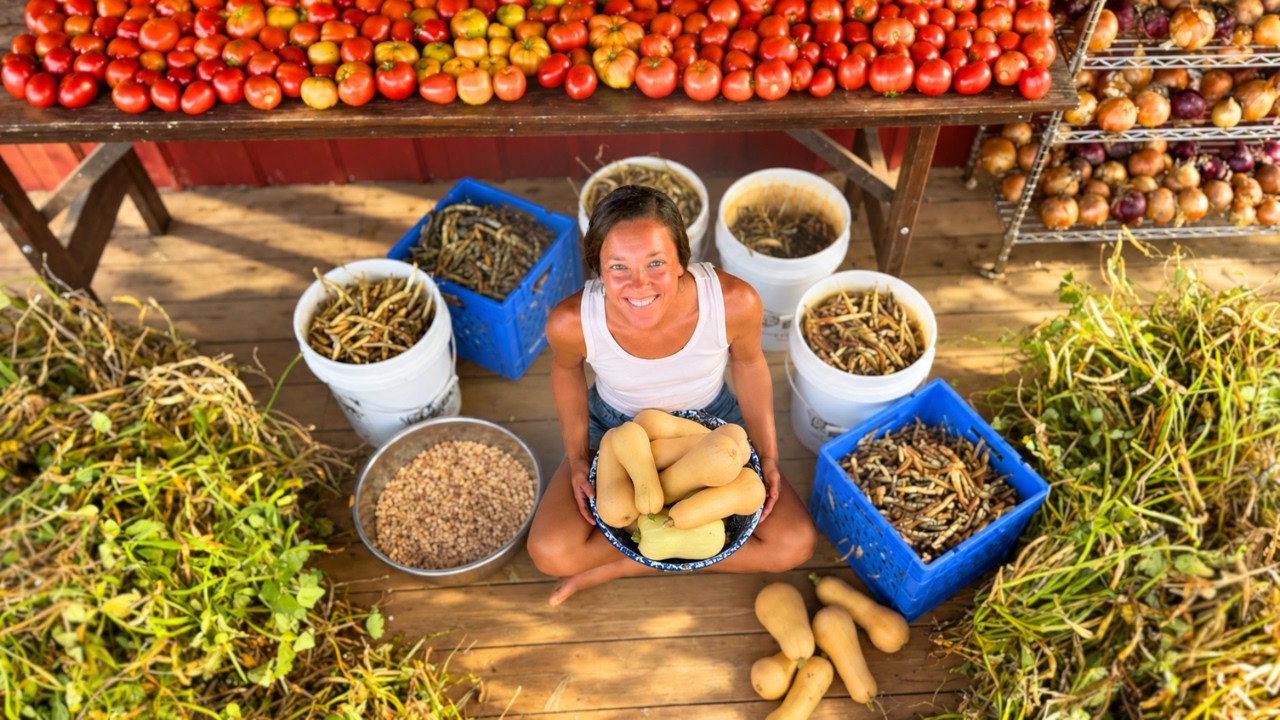
Now picture this instead: every variety of dried bean carefully harvested, sorted by type, and spread in a single layer with proper airflow. Your butternut squash curing on the porch for two to three weeks before moving to cold storage. Your cowpeas shelled efficiently using the pillowcase method in a fraction of the time. Your basement organized, your freezer stocked, and your pantry shelves lined with clean, dry, properly stored beans that will stretch your family's meals all winter long — in tacos, morning eggs, soups, and more.
The team at More Than Farmers has been living this lifestyle for years, growing more bean varieties than most people knew existed — Tiger's Eye, Kidney, Navy, Calypso, and Cowpeas — all in a single season. Michelle and Cody share not just the wins but the real mistakes: the year 50 to 70 percent of their beans went moldy because of poor airflow, the cucumber beetle damage that hurt their butternut squash crop, and the hard-won tricks that now make harvest season manageable even when the garden is exploding all at once.
This PDF checklist distills everything shown in their harvest video into a clear, step-by-step action plan you can print out and take to the garden, the porch, and the basement. Every method has been field-tested on a real working homestead. Use it this season to bring in your harvest confidently, preserve every pound you worked so hard to grow, and finally feel ahead instead of behind.
What's Inside — Preview
Every checklist item comes with actionable notes to guide you — things like "Don't forget to do this before you start," "Avoid this common mistake," or "Set a reminder for 30 days out." Nothing vague, just clear next steps.
CHECK
Walk your garden and assess which crops are ready to harvest before pulling anything
DECIDE
Prioritize harvest order based on weather risk — bring in rain-threatened crops first
CHECK
Map out which bean varieties are planted in which rows before you start pulling
DO
Harvest Tiger's Eye beans as a separate batch and keep pods together
DO
Harvest Kidney beans as a separate batch and keep pods together
+ 30 more action items inside...
 ▶ Watch the source video on YouTube