Why You Need This Checklist
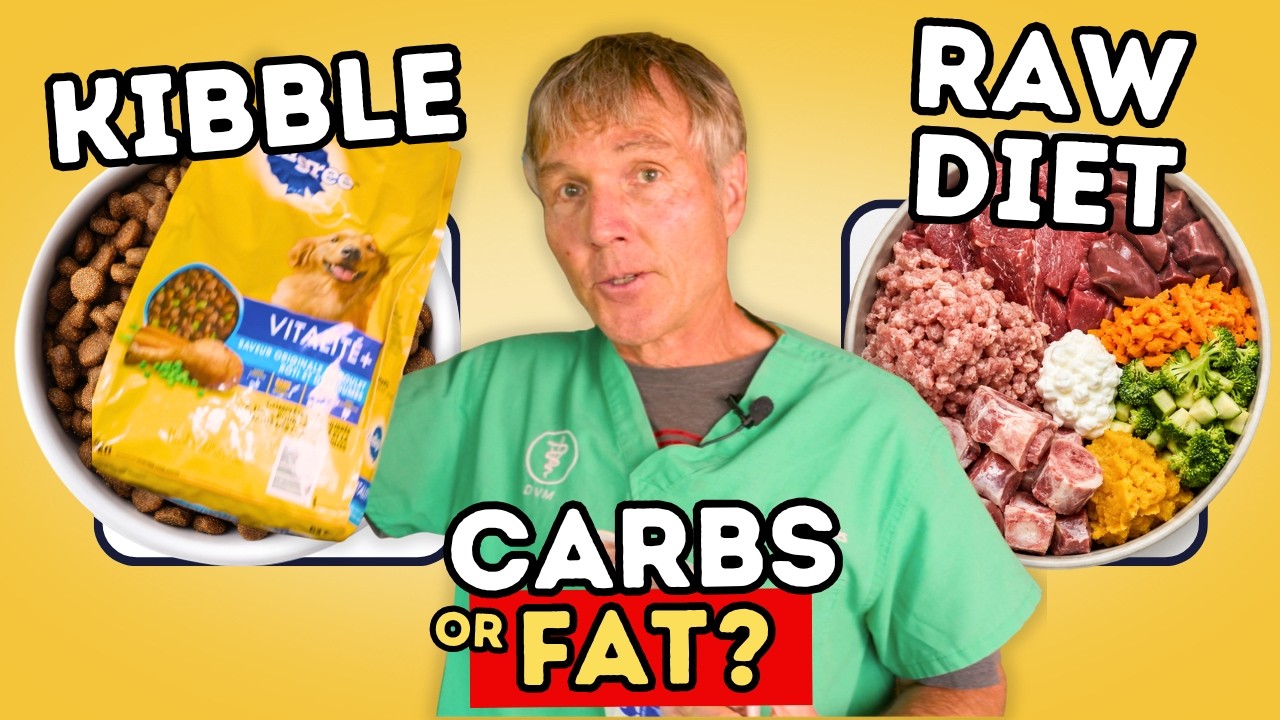
What if the food sitting in your dog's bowl right now is quietly damaging their metabolism — and you had no idea? Most dog owners assume that if a food is on the shelf, it has been vetted and it is safe. But a growing body of research, including a landmark study from the University of Helsinki's Dog Risk Group, is raising serious questions about what kibble — especially corn- and carb-heavy varieties — is actually doing inside your dog's body. Elevated blood sugar, rising triglycerides, increased body weight — these are not abstract statistics. They are measurable changes that happened in just four and a half months in dogs fed a conventional kibble diet. That is less than half a year. If your dog has been eating kibble for years, this is information you need right now. Imagine knowing exactly what to look for on a dog food label, understanding which biomarkers matter and why, and having a clear, step-by-step plan to gradually shift your dog toward a diet that supports healthier blood sugar, lower triglycerides, and better metabolic function. No guesswork, no conflicting internet opinions — just a clean action checklist built directly from the research Dr. Andrew Jones of Veterinary Secrets breaks down in plain, honest language. Dr. Jones has spent years translating complex veterinary science into practical advice that real pet owners can actually use. He does not just cite one paper — he weighs multiple studies, names real researchers, references a real university group, and then tells you what he would actually do for his own dog. That is the kind of trusted, grounded perspective that informs every step of this checklist. This PDF checklist walks you through every actionable step from the video: how to read ingredient labels, which metabolic markers to ask your vet about, how to reduce carb load even if you are still feeding kibble, how to add affordable high-protein toppers like chicken gizzards, and how to evaluate whether a raw or gently cooked diet might be right for your dog. Whether you are ready to make a full switch or just want to make smarter, incremental changes, this checklist gives you a clear path forward — starting today.
What's Inside — Preview
Every checklist item comes with actionable notes to guide you — things like "Don't forget to do this before you start," "Avoid this common mistake," or "Set a reminder for 30 days out." Nothing vague, just clear next steps.
CHECK
Read your current dog food's ingredient label and identify if a simple carbohydrate (corn, white rice, or similar grain) is listed as the first ingredient
RESEARCH
Research the University of Helsinki Dog Risk Group's published study titled 'Canine Metabolism Responds Better to Fats Than Carbohydrates'
LEARN
Learn what the six key metabolic biomarkers measured in the Helsinki study are and understand what each one means for your dog's health
CHECK
Note the specific findings from the kibble-fed group in the Helsinki study so you know what warning signs to watch for
CHECK
Note the specific findings from the raw-food-fed group in the Helsinki study to understand what favorable metabolic outcomes look like
+ 14 more action items inside...
 ▶ Watch the source video on YouTube