Why You Need This Checklist
What does it actually take to wire a log cabin, pound a well into hard-pack clay, and finish the details that turn a shell into a home your family can move into? If you've been watching YouTube well videos wondering why yours didn't go as smoothly as everyone else's, you already know the answer — soil type changes everything, and most creators aren't telling you the full story.
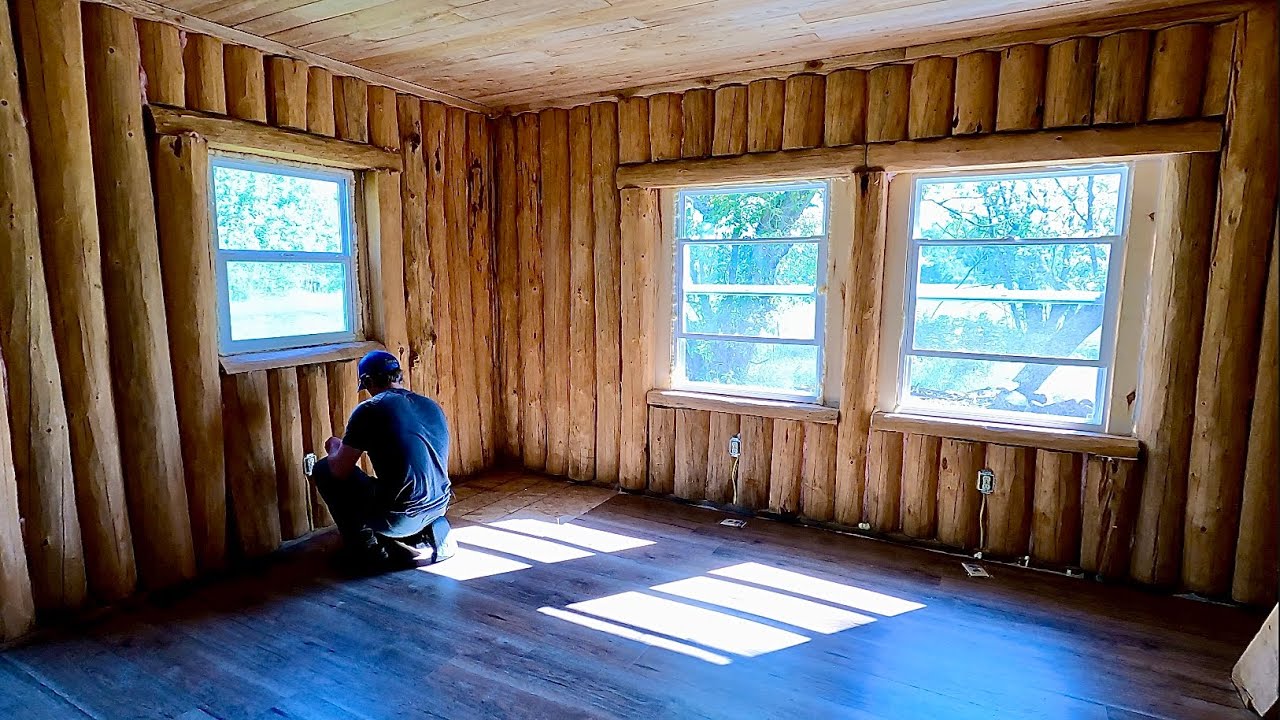
Kyle from KYLES CABIN has been doing this for real, on land his great-grandfather homesteaded more than a hundred years ago. He's not filming in ideal conditions or perfect sandy soil. He's driving pipe through hard-pack clay with a 60-to-80-pound well driver, notching electrical boxes flush into log walls so they disappear behind chinking, and making every decision with a family move-in date on the calendar. That's the kind of hard-won experience this checklist is built on.
Imagine walking into your finished log cabin and not seeing a single wire, not a single electrical box proud of the wall — just clean, flush-mounted outlets and switches tucked perfectly behind chinking. Picture your mechanical room with a working sandpoint well system, a half-horsepower cast iron shallow well jet pump humming quietly, and water pressure reliable enough to run a washer, sinks, and a shower — just like Kyle's grandfather's well has done for nearly 30 years. That's not a fantasy. That's a plan, and this checklist walks you through it step by step.
Kyle figured out what works through trial and error so you don't have to. He'll tell you why a jackhammer alone won't cut it in clay soil, which pump to buy and where to get it, why you should wait at least a year before staining your logs, and the exact order to tackle chinking — inside first to cover fiberglass insulation before move-in, outside after. These are the details that don't always make it into the video description.
This PDF checklist distills everything from this episode into a clean, actionable format you can print and check off as you go. Whether you're mid-build or just planning ahead, use it to make sure you don't skip the steps that matter most. Grab the checklist and move forward with confidence.
What's Inside — Preview
Every checklist item comes with actionable notes to guide you — things like "Don't forget to do this before you start," "Avoid this common mistake," or "Set a reminder for 30 days out." Nothing vague, just clear next steps.
BUILD
Notch electrical boxes into the logs so they sit flush with the log face
DO
Tuck all wiring back into the notch before final inspection so it is hidden behind chinking
CHECK
Verify water is still present in your sandpoint well pipe before installing the pump
RESEARCH
Research your local soil type before attempting a sandpoint well installation
BUY
Use a heavy-duty well driver (60–80 lbs) for hard-pack clay soil instead of a standard sledgehammer
+ 13 more action items inside...
 ▶ Watch the source video on YouTube