Why You Need This Checklist
What would you do if you woke up tomorrow and your off-grid system was completely dead? No power. No water. No refrigeration. No way to run your well pump. It sounds like a worst-case scenario, but it happens more often than most off-grid homesteaders want to admit — and when it does, most people have no plan.
Here is the uncomfortable truth: even well-built off-grid systems fail. Lead-acid battery banks that were state-of-the-art a decade ago become liabilities as they age. A few smoky days blocking solar input, one too many loads running simultaneously, and suddenly your inverter is blown and your family is hauling water by hand. The clock starts ticking immediately — food spoils, the well goes dry, and that new system you ordered is two weeks out.
Imagine instead having a clear, step-by-step recovery plan already in your hands. You know exactly which emergency power unit to grab, how to identify your generator inlet wiring, which breakers to shut off first, and how to connect a portable battery system to your existing sub-panel so your well pump is running again within hours — not days. You know your normal house draw (around 116 watts at idle), you understand what a well pump spike looks like (over 3,200 watts), and you have sized your backup solution before the emergency hits. That is the difference between a stressful crisis and a manageable afternoon.
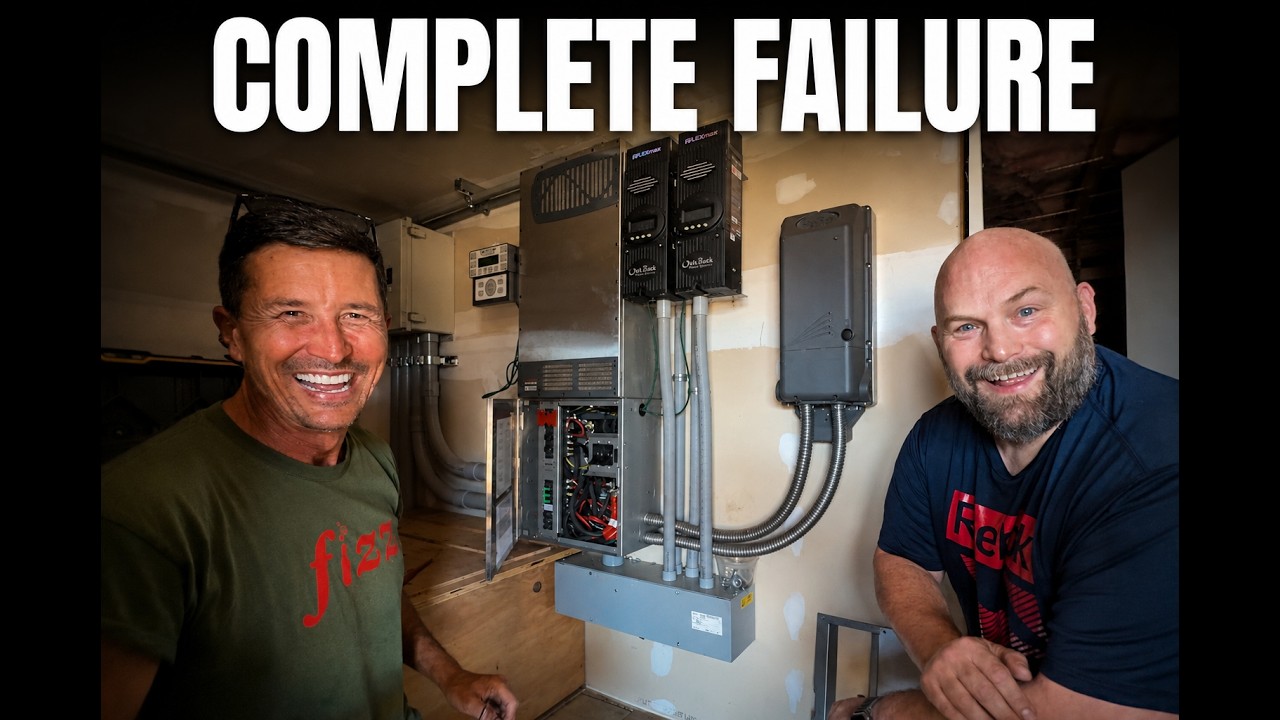
Cody from Wranglerstar — a homesteader and off-grid systems veteran who has been living and teaching this lifestyle for years — documented exactly this kind of real-world rescue mission on his channel. He loaded up an EcoFlow Delta Pro Ultra with five batteries, drove 30 minutes into the backcountry, and walked a family through getting their well pump and refrigerators back online using a generator inlet interface and a 50-amp connection. The whole system worked. The water ran. And now that exact process is distilled into a practical action checklist you can follow without a film crew or a neighbor who knows more than you do.
This checklist walks you through every step — from diagnosing your failed system and identifying compatible connectors, to installing a generator inlet sub-panel, sizing your backup battery bank, and knowing when to call Outback or switch to modern lithium technology. Use it now to prepare before failure, or keep it ready for the moment everything goes dark.
Do not wait until your inverter blows to have a plan. Grab this checklist and know exactly what to do.
What's Inside — Preview
Every checklist item comes with actionable notes to guide you — things like "Don't forget to do this before you start," "Avoid this common mistake," or "Set a reminder for 30 days out." Nothing vague, just clear next steps.
CHECK
Assess your current off-grid system age and battery type before failure occurs
LEARN
Identify your single biggest vulnerability: smoke, cloud cover, or heavy loads draining batteries faster than solar can recharge
AVOID
Never run a deeply discharged lead-acid battery bank hard by turning on a high-draw appliance like a well pump
BUY
Purchase or pre-stage a portable high-capacity battery inverter unit as an emergency backup
DECIDE
Stock at least five EcoFlow extra batteries alongside your Delta Pro Ultra for whole-home bridging capacity
+ 18 more action items inside...
 ▶ Watch the source video on YouTube