Why You Need This Checklist
What if your garden could feed you in January — with zero heating, zero grow lights, and zero complicated setup? Most gardeners pack it in for the year the moment temperatures drop, leaving their beds empty for four to six months. But there's a small group of growers who quietly step outside on a crisp winter day, clip a handful of fresh greens, and walk back inside with something most people think is impossible to grow in the cold. You could be one of them.
Here's the frustrating part: by the time most gardeners realize they should have planted something for winter, it's already too late. The window closes fast. And every year that passes without planting is another season of buying limp, expensive produce at the grocery store while your garden sits completely idle. That's months of wasted potential in a bed that's just sitting there, waiting.
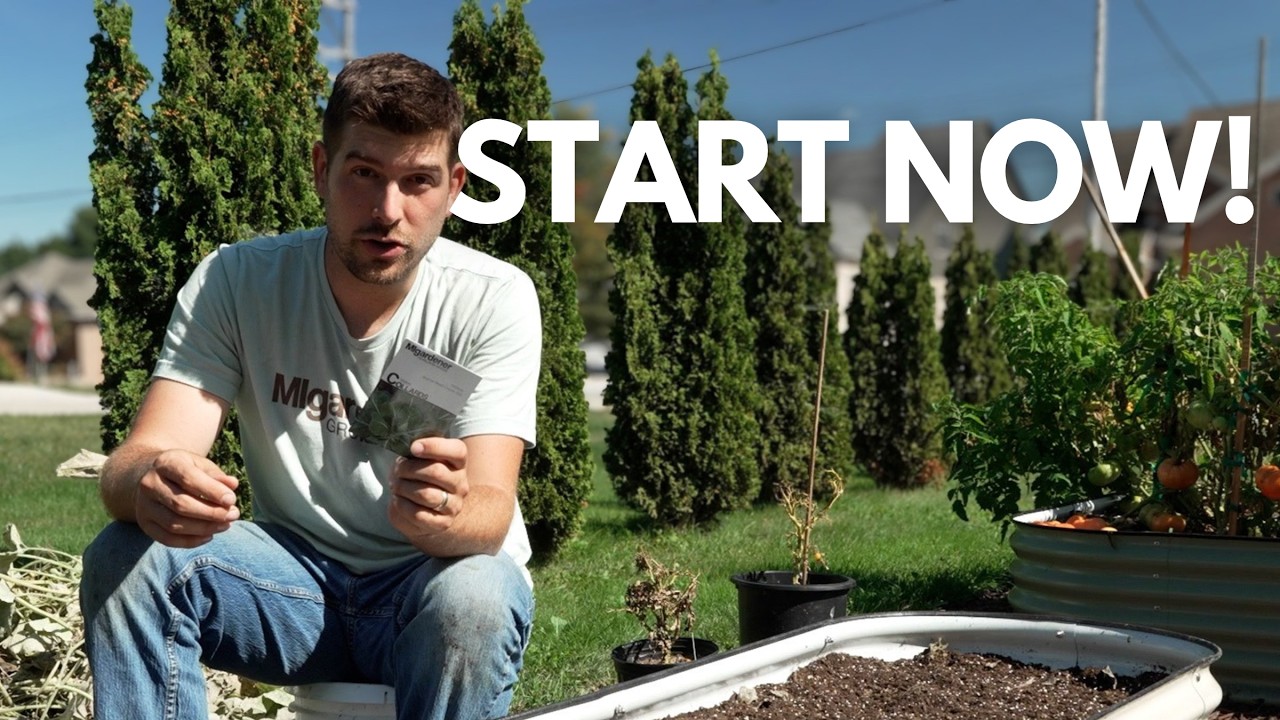
Now picture this instead. It's mid-January. There's snow on the ground. You step outside on a warmer afternoon, the kind where it climbs just above freezing, and you harvest a beautiful mix of spinach, kale, mustard greens, cilantro, and collards — all growing with absolutely no protection. No greenhouse. No fancy equipment. Just seeds you planted back in the fall, quietly waiting under a blanket of snow to greet you. That's not a fantasy. That's exactly what Luke from the MIgardener channel does every single year in Eastern Michigan, one of the colder growing climates in the country.
Luke has tested dozens of varieties over many seasons to find the ones that genuinely overwinter without coddling. He's identified the specific spinach varieties that defy frost, the mustard green that actually survived an entire winter under six to eight inches of snow, the kale varieties that push into March, and even a southern crop most northern gardeners would never think to try. He's also nailed down the soil prep and fertilizing steps that make the difference between plants that thrive and plants that just survive.
This checklist takes everything Luke covers in the video and puts it into a clear, step-by-step action plan you can follow in a single afternoon. From pulling old crops and refreshing your bed, to knowing exactly which varieties to plant and how to give them the best possible start, every step is laid out for you. Whether you want to harvest fresh greens this winter or simply have your garden ready to explode with growth the moment spring arrives, this checklist gets you there. Grab it, head outside, and plant something worth coming back to.
What's Inside — Preview
Every checklist item comes with actionable notes to guide you — things like "Don't forget to do this before you start," "Avoid this common mistake," or "Set a reminder for 30 days out." Nothing vague, just clear next steps.
DO
Pull out any finished summer crops — especially squash, pumpkin, or cucurbit plants — from the bed you plan to use
DO
Loosen the top 1 to 2 inches of soil in the cleared bed by hand or with a hand rake
DO
Mix in old potting mix with existing compost to refresh bed texture and fertility
DO
Apply an all-purpose granular fertilizer to the bed surface to replace nutrients heavy-feeding crops removed
DO
Plant Giant Noble Spinach seeds in the prepared bed
+ 13 more action items inside...
 ▶ Watch the source video on YouTube