Why You Need This Checklist
What if the biggest mistake blueberry growers make happens not during the growing season — but right after the last berry is picked? Most gardeners breathe a sigh of relief once harvest wraps up and move on to other things. But what happens in those weeks immediately after fruiting can make or break your entire next season. And if you wait too long, the window closes completely — no second chances until next year.
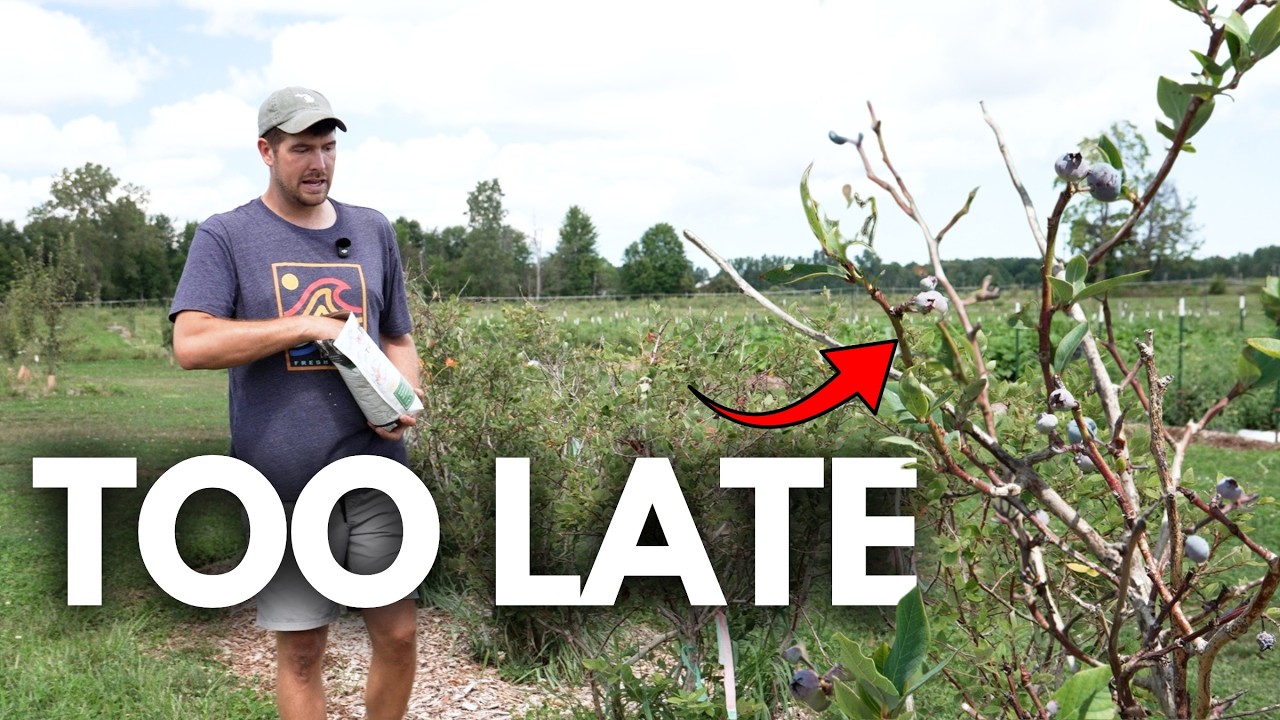
Here's the problem: blueberries are heavy feeders, and every single berry they produced this season came at a cost. The plant burned through enormous reserves of nitrogen, phosphorus, potassium, and trace minerals to fuel that fruit. If you don't replenish those reserves before the plant enters dormancy, it goes into winter running on empty. That means weaker roots, reduced winter hardiness, and a disappointing harvest next year. And the tricky part? There's a specific cutoff point — once the leaves start turning red and the tender green growth hardens off with a tan-colored bark, the window has already closed. The plant has shifted into shutdown mode and nothing you apply will make a difference.
Imagine walking out to your blueberry patch next summer and seeing it absolutely loaded — more fruit than you've ever had, bigger bushes, stronger canes. That's exactly what Luke from the MIgardener channel experienced after properly caring for his 8-year-old bare-root plants post-harvest. He was so encouraged by what he saw developing below the canopy that he's already planning significant pruning to give that new growth room to flourish. The difference between a mediocre blueberry year and an incredible one often comes down to what you do in that narrow post-harvest window.
Luke has grown blueberries at scale on his farm and in home garden settings, and he applies the same post-harvest protocol to both. His approach is practical, proven, and surprisingly simple — and he shares everything he does, including the exact fertilizer amount per plant, when to apply it, what a balanced fertilizer needs to include, and how to know when you've crossed the point of no return for fall feeding. He also covers soil pH management, which has to be right before fertilizer can even do its job.
This checklist distills every actionable step from Luke's video into a clean, print-ready guide you can take straight to your garden. No rewinding, no guessing, no missed steps. Grab it, follow it, and give your blueberries the post-harvest care they deserve so next summer's harvest is the best one yet.
What's Inside — Preview
Every checklist item comes with actionable notes to guide you — things like "Don't forget to do this before you start," "Avoid this common mistake," or "Set a reminder for 30 days out." Nothing vague, just clear next steps.
CHECK
Confirm your blueberries have finished their third and final flush of fruiting before taking any action
CHECK
Check the plant's foliage and stem color to confirm you are still within the fertilizing window
DECIDE
Select a balanced all-purpose fertilizer that includes nitrogen, phosphorus, potassium, trace minerals, beneficial bacteria, and beneficial fungi
MEASURE
Measure out 1/4 cup of your chosen balanced fertilizer per blueberry plant
DO
Apply the measured fertilizer directly around the base of each blueberry plant
+ 5 more action items inside...
 ▶ Watch the source video on YouTube