Why You Need This Checklist
What if the customer who just submitted a damage photo never actually received a damaged product — and your customer service team can't tell the difference? That's not a hypothetical. It's happening to ecommerce sellers right now, and the tools making it possible cost scammers nothing but a few seconds and a free AI app.
Here's the uncomfortable reality: AI has made it trivially easy for bad actors to generate fake damage photos, fabricate UPS and FedEx shipping receipts, deploy voice bots that call your support line hundreds of times a day, and manipulate your AI chatbot into making promises you're legally required to honor. And because sellers are terrified of bad reviews, most just eat the loss and move on. The scammers know this, and they're counting on it.
Imagine running your store with a clear fraud-detection playbook in hand. You know exactly which photos to question, which return requests are red flags, and which policies protect you without driving away your honest customers. You're not paranoid — you're prepared. You stop refunding scammers on autopilot and start protecting the margin you've worked hard to build.
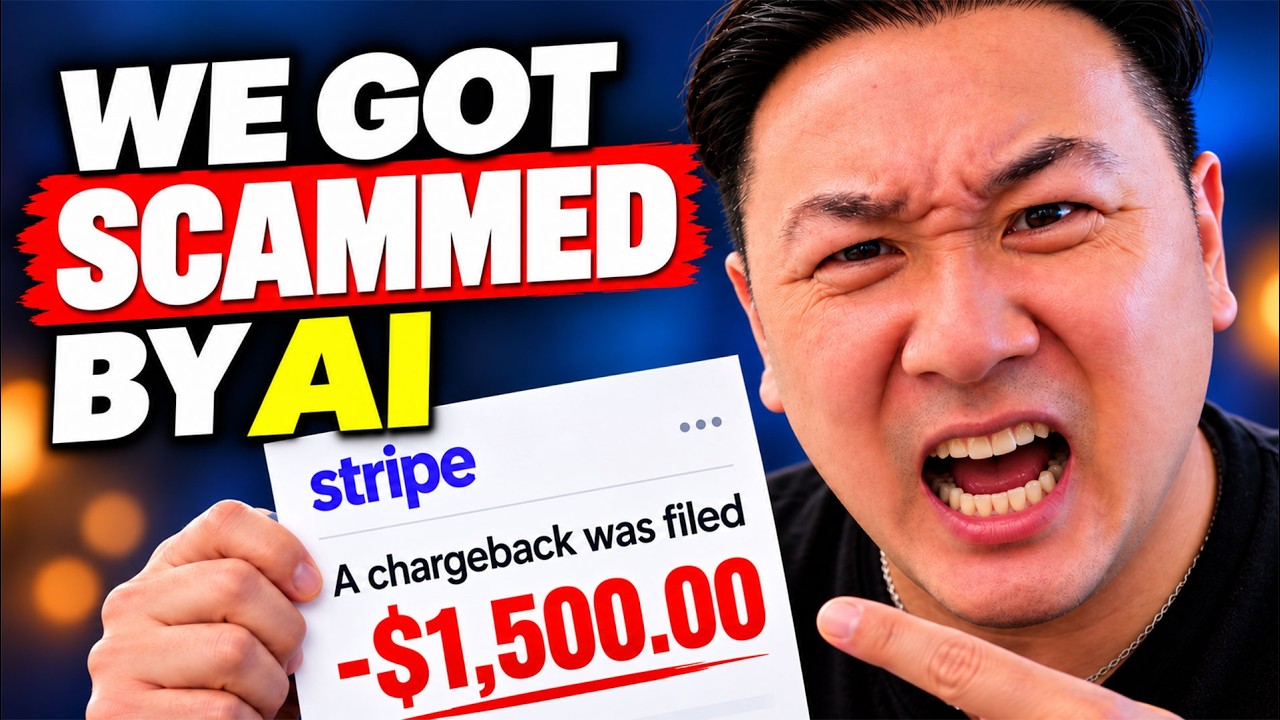
Steve Chou of the MyWifeQuitHerJob Ecommerce Channel runs a seven-figure store selling handkerchiefs and linens, and he got hit by one of these scams personally last month. He caught it, he knew it was fake, and he still paid the scammer — because fighting it cost more than the $30 handkerchief. That experience sent him deep into researching every major AI fraud scheme hitting ecommerce sellers today, from the Boll and Branch sheet-photo scandal to the DoorDash chicken wing TikTok to the Air Canada chatbot court case that set a legal precedent every seller now needs to understand. His research is specific, his examples are real, and his defensive strategies are ones he's actually implemented in his own warehouse.
This checklist translates everything Steve covers in that video into a clean, step-by-step action plan you can work through this week. Each step tells you exactly what to do, what to watch for, and what mistake to avoid — from photographing outbound orders to setting Amazon's returnless resolution threshold to knowing when your AI chatbot becomes a legal liability. Use it to audit your current policies, plug your biggest gaps, and build a store that's a lot harder to steal from.
What's Inside — Preview
Every checklist item comes with actionable notes to guide you — things like "Don't forget to do this before you start," "Avoid this common mistake," or "Set a reminder for 30 days out." Nothing vague, just clear next steps.
CHECK
Audit your last 90 days of damage-claim refunds for AI-generated photos
BUILD
Establish an internal QA log so employees can recall specific orders by customer name or item
DO
On any damage claim, require multiple photo angles AND a short video of the product
DO
When a high-value damage claim comes in with suspicious photos, offer a live FaceTime or video call to verify damage in real time
DO
Photograph every single outbound order before it ships and log the package weight
+ 13 more action items inside...
 ▶ Watch the source video on YouTube