Why You Need This Checklist
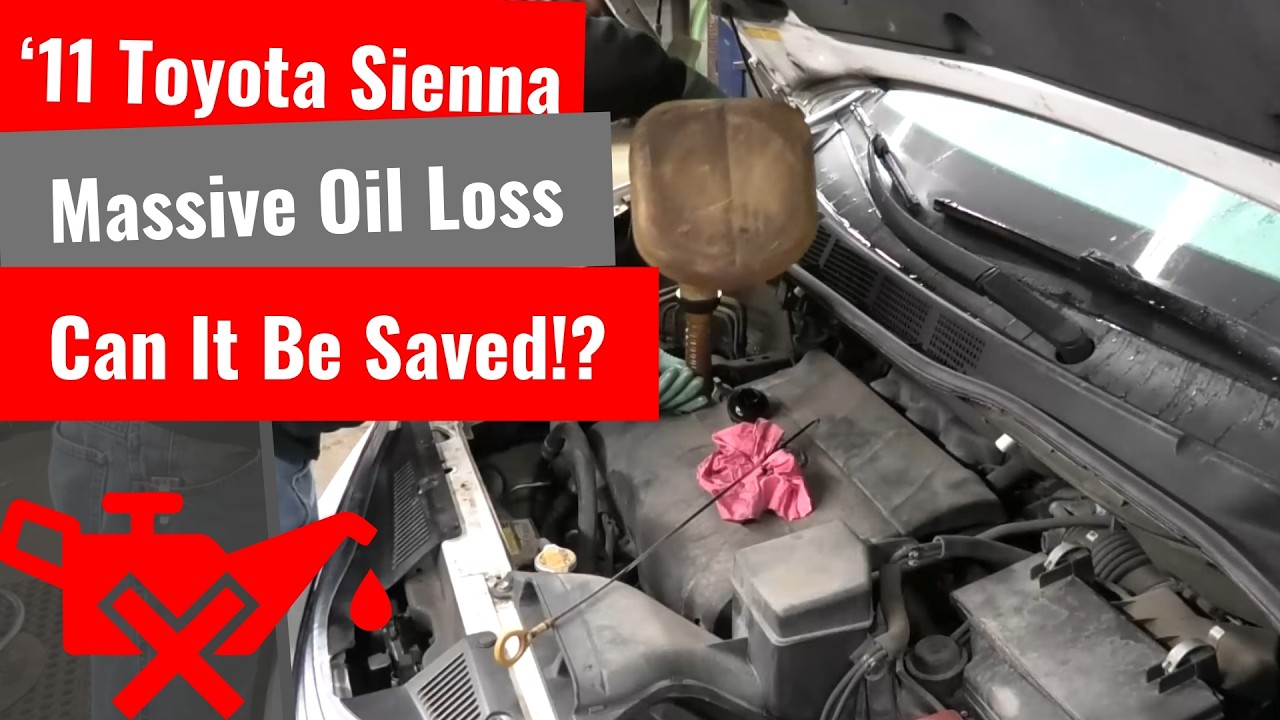
What if your engine was silently counting down to failure — and you had no idea until oil was spraying down the highway behind you? That exact scenario played out on a 2011 Toyota Sienna with nearly 200,000 miles, and what looked like a simple fix turned into a hard lesson about what that little red oil light is really telling you.
If you own a Toyota Sienna or Highlander from 2008 to 2011, you need to know about a known design flaw that Toyota quietly addressed with an extended warranty campaign years ago. The factory rubber oil cooler hose can crack and fail without warning, dumping your engine oil onto the road while you drive. By the time the red oil light comes on, you may already be seconds away from seized rod bearings and a destroyed engine. This is not a low oil light — as the team at South Main Auto puts it bluntly, it is a no oil light. There is a massive difference, and that difference costs thousands of dollars.
Imagine catching this problem early — identifying the exact rubber hose that fails, knowing the correct aftermarket all-metal replacement lines to order from NAPA, understanding which studs need to come out to make installation possible, and knowing exactly what sounds to listen for that might mean deeper damage already exists. That is the peace of mind this checklist gives you.
Eric at South Main Auto LLC has built one of the most trusted automotive repair channels on YouTube, walking viewers through real-world shop repairs with honest commentary and zero sugarcoating. In this video he documents the entire repair process live — including the gut-punch moment when the engine seized on a test drive after what seemed like a successful fix. That hard-won experience is distilled into every step of this checklist.
This PDF checklist walks you through every action in the repair sequence: how to check for oil loss on arrival, how to locate the rubber oil cooler hose that fails on these engines, which tools you need to access the most difficult bolts, how to remove and reinstall the double-ended studs that make installation possible, how to torque and seal the new all-metal lines, and what warning signs during a test drive mean the engine may already be compromised. Do not skip the test drive protocol — it could save you from delivering a damaged engine back to a customer or driving a ticking time bomb yourself.
What's Inside — Preview
Every checklist item comes with actionable notes to guide you — things like "Don't forget to do this before you start," "Avoid this common mistake," or "Set a reminder for 30 days out." Nothing vague, just clear next steps.
CHECK
Check oil level immediately when vehicle arrives with red oil light complaint
CHECK
Do a brief start-up in the bay to listen for abnormal engine noise and spot active leaks
CHECK
Lift vehicle and inspect the entire undercarriage for the oil leak source
DO
Top off oil to the 'add' line and run the engine again to pinpoint the exact leak location
LEARN
Identify the rubber oil cooler hose as the failed component on 2008–2011 Toyota Sienna and Highlander V6 models
+ 19 more action items inside...
 ▶ Watch the source video on YouTube